Soft toy safety testing: How to best guide product design
"Safety is not an accident; it is the result of rigorous testing and adherence to strict legal frameworks designed to protect the most vulnerable users."
Soft toy safety testing involves examining physical durability, chemical composition, and choking hazards to ensure products meet legal requirements. This process is essential for manufacturers to confirm that plush items remain intact during play and do not release harmful substances.
Key takeaways include the importance of following regional directives, the necessity of mechanical strength tests, and the role of regulatory compliance in consumer protection.
How is soft toy safety testing conducted?
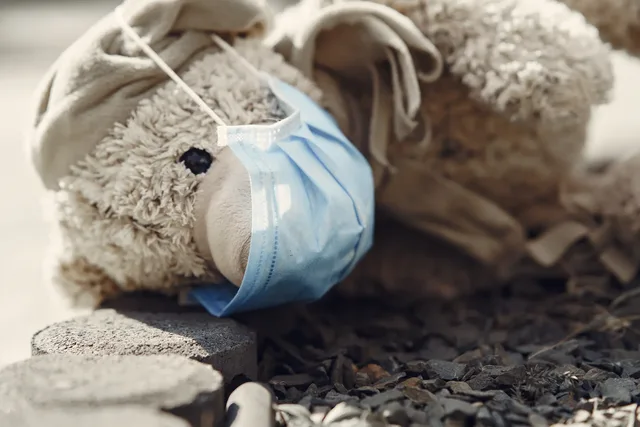
At midnight in the dim laboratory, the technician pulls the soft fabric with a firm grip to feel the tension.
A technician sits at a heavy wooden workbench, pulling at the seam of a bright blue teddy bear with steady, rhythmic force. They watch closely as the fabric resists the tension, checking if the stuffing escapes or if small plastic eyes detach.
This hands-on evaluation is a core component of soft toy safety testing used to identify potential risks before a product reaches a nursery.
The verification process typically begins with mechanical stress tests where machines or human hands apply repetitive pressure to limbs and attachments. Engineers look for small parts that could become choking hazards if a seam fails.
This method ensures that the structural integrity of the toy can withstand the rough handling common in early childhood environments.
Toy safety verification serves as a critical checkpoint during the design phase. Product safety standards dictate how much force a connection must withstand before it is deemed unsafe. By applying these specific benchmarks, companies can identify weaknesses in the assembly process early on.
Are these products actually safe?
A laboratory worker adjusts a microscope, peering at a small swatch of synthetic fabric taken from a plush rabbit. The room is silent except for the low hum of ventilation, as they prepare to check for restricted chemical substances.

This meticulous examination ensures that the materials used in production do not pose long-term health risks to children.
Adhering to established product safety standards is a legal necessity in many jurisdictions. These rules govern everything from the flammability of the plush material to the toxicity of the dyes used in the fabric.
Following these guidelines helps prevent skin irritation or accidental ingestion of harmful chemicals.
Manufacturer liability in toy safety is a significant factor in the production cycle. Companies must document their testing procedures to demonstrate that they have met all necessary safety requirements.
This documentation provides a trail of accountability should any issues arise after the product is sold.
How is plush toy quality verified?
An engineer sits in a brightly lit office, reviewing a digital blueprint of a stuffed animal's internal structure. They trace the path of the stitching, calculating whether the density of the polyester fiberfill provides enough resistance to prevent tearing.
This technical scrutiny is a vital part of engineering validation for plush toys.
Validation focuses on the physical properties of the object, such as its ability to recover its shape after being squeezed. It also examines the durability of the fabric against abrasion.
This level of detail ensures that the toy does not degrade into smaller, dangerous fragments during extended periods of use.
How do regulatory frameworks influence safety?
A legal consultant flips through a thick binder of international regulations, marking specific clauses related to consumer goods. They compare the current product design against the latest mandates to ensure total compliance.
According to All European Union, all European Union member states have transposed this directive into law - for example, the UK's Toy (Safety) Regulations 1995.
Understanding these legal landscapes is essential for any brand operating in global markets.
Regulatory requirements vary by region, though many share common goals regarding child protection. For example, all European Union member states have transposed this directive into law, such as the UK's Toy (Safety) Regulations 1995.
These laws provide the baseline for what is considered acceptable for the market.
Consumer feedback on toy security often drives updates to these regulations. When parents report issues with broken parts or fraying fabric, regulatory bodies may tighten the requirements for specific types of soft goods.
This cycle of feedback and regulation helps keep safety standards current with modern manufacturing capabilities.
What are the steps for compliance?
I watched a quality control specialist move through a checklist, marking each item with a fine-tipped pen as they inspected a row of finished plush dolls. They moved with precision, ensuring that no single unit skipped a step in the mandatory evaluation sequence.
To ensure a product meets the necessary requirements, follow these steps:
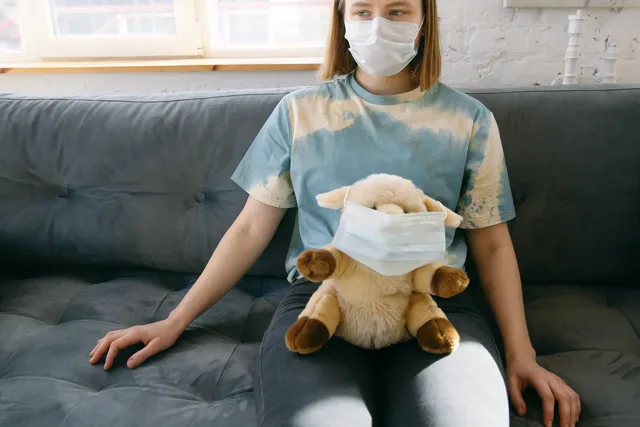
- Perform a physical pull test on all small components, such as buttons, eyes, and bells, to ensure they cannot be detached. 2. Conduct a chemical analysis of the fabric and stuffing to confirm the absence of restricted substances. 3. Execute a flammability test to check how quickly the material reacts to a heat source.
After completing these steps, perform a final check to ensure all documentation is organized and ready for regulatory review.
- How is soft toy safety testing conducted?
- Are these products actually safe?
- How is plush toy quality verified?
The same subject is also called Soft toy testing methods.
The same subject is also called Safety regulation review.
Manufacturer liability in toy safety
Related




Comments 0